Aftercare
Most of the recovery happens after you land. So most of the planning does too.
A joint replacement is a twelve-week recovery, of which perhaps two weeks happen in India. The physiotherapist is booked before you fly, your GP receives the full record with your consent, and the same coordinator checks in on a written schedule for twelve months.
The twelve months after surgery, as we plan them
Before you fly home
Cleared, documented, booked
The surgeon signs you fit to fly. We check the discharge summary, operation note, implant card and imaging are complete and in UK-usable formats, and confirm your first UK physiotherapy appointment for the week you land.
Weeks 1 to 2
Home, and the first check-in
Physiotherapy starts. Your GP has the record. Your coordinator calls in the first few days to check the wound, the pain plan and the medication are as the surgeon described — and to escalate to the surgeon if anything is not.
Weeks 6 and 12
Scheduled reviews
Check-ins at six and twelve weeks against the rehabilitation protocol the surgeon set. A video review with the operating surgeon at either point where they consider it useful, and imaging in the UK if the surgeon asks for it.
Month 12
The twelve-month review, and the file closed
A final check-in, a final surgeon review where indicated, and a complete record — everything from the first consultation to the last physiotherapy note — given to you and, with your consent, to your GP.

Before discharge
The recovery starts on the ward, not at the airport
Daily physiotherapy from the day after surgery, wound checks and blood tests as the surgeon directs, and a discharge date that is a clinical decision rather than a booking. Long-haul flight after lower-limb surgery raises the risk of a blood clot, so nobody flies until the surgeon says so.
- Inpatient physiotherapy every day, following the surgeon’s written protocol
- Fit-to-fly clearance, compression stockings and clot-prevention medication where prescribed
- A written plan for the flight itself: movement, hydration, what to do if something changes

Back home
A UK physiotherapist, your GP, and a coordinator who already has the file
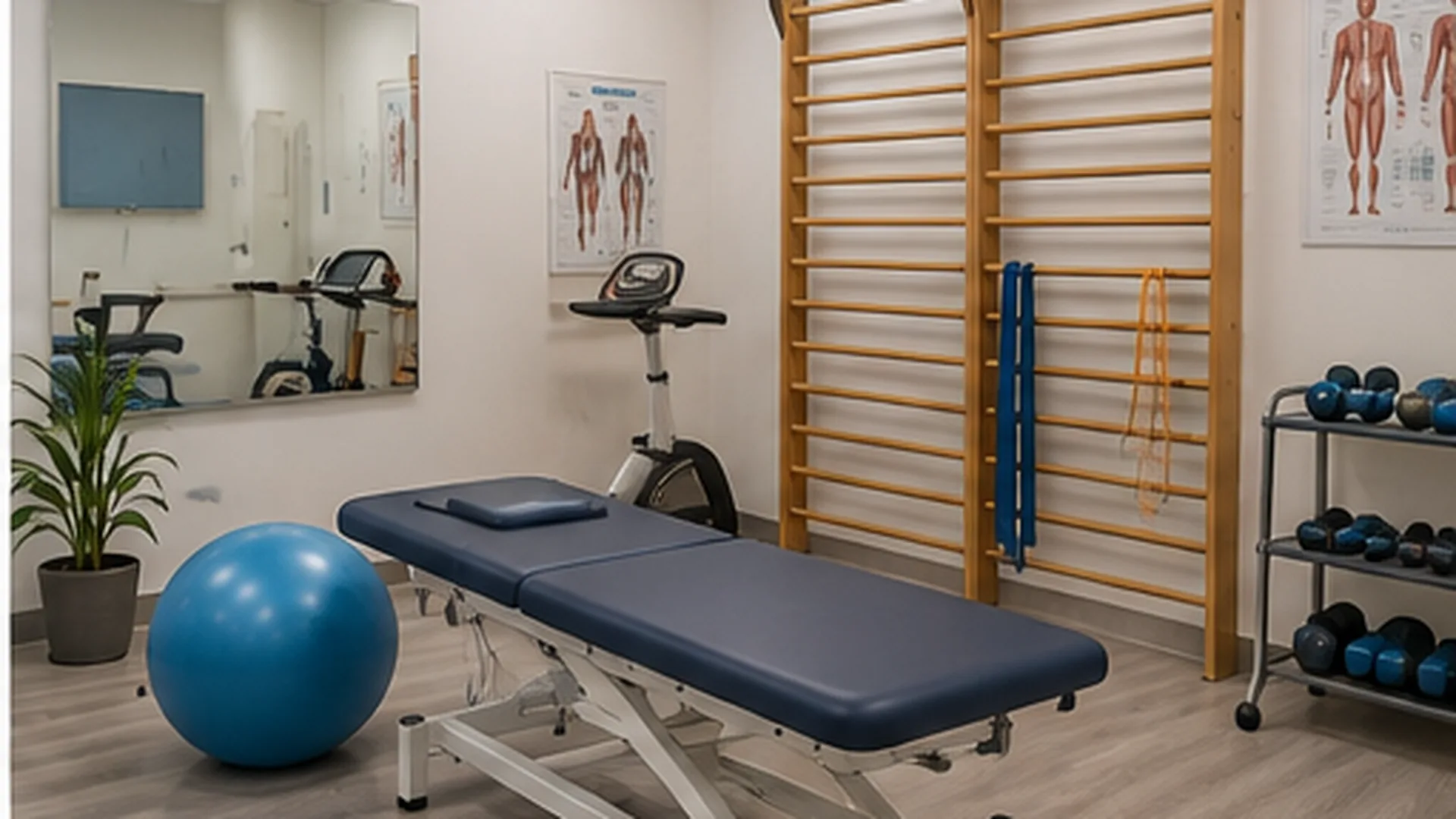
The physiotherapist is an independent, HCPC-registered professional chosen with you and briefed with the surgeon’s protocol before you land. Your GP is sent the record before you land too. Neither is a Sevanta employee, and both are told exactly what has been done and by whom.
- First physiotherapy appointment within the week you land, itemised in your estimate
- GP correspondence sent ahead, with your consent, in the formats the NHS uses
- One coordinator, in UK hours, who has read the file and can reach the surgeon
What the aftercare arrangement covers, and what it does not
The coordination is included in our fee. The clinical services themselves are itemised in your estimate so the cost is visible before you decide — and some things are simply not ours to promise.
Included
- Choosing and briefing a UK-registered physiotherapist before you travel, with the surgeon’s protocol
- Sending your GP the discharge summary, operation note, implant card and imaging, with your consent
- Scheduled check-ins at two, six and twelve weeks and at twelve months, and the same coordinator in between
- Arranging a video review with the operating surgeon where the surgeon considers it useful
- A complete record of the whole episode, given to you at the end
Not included
- The physiotherapy sessions themselves — itemised separately in your estimate, paid by you
- Private imaging or a private consultant review in the UK, if the surgeon asks for one
- Treatment for complications, which falls under the hospital’s complications policy and your travel insurance
- Any revision surgery, in India or in the UK
- Anything the NHS provides — the NHS treats you if you are unwell, on its own terms, and is not liable for treatment obtained abroad
The NHS is under no obligation to correct treatment obtained abroad. It will treat you if you are unwell, which is not the same thing. The Privacy & Safety page sets out who pays when something goes wrong, and we would rather you read it before you travel than after.
Where our responsibility ends and someone else’s begins
Sevanta arranges. Clinicians treat. The line between the two matters most in the weeks after you are home, so here it is, drawn plainly — with the person who holds each responsibility named.
Ours to arrange
What we arrange
The physiotherapist, booked before you fly
The clinician, the first appointment and the briefing on what was done — all in place before you board.
You get this in writing: Booked before departure, with the first session in the week you are home.
The record your GP needs
Sent before you land, with your consent, in a format a UK practice can actually open and file.
You get this in writing: Discharge summary, operation note, implant card and imaging, in NHS-usable formats.
The follow-up schedule and the check-ins
Written down in advance, including escalation back to the operating surgeon when something is not as described.
You get this in writing: Check-ins at two, six and twelve weeks, and at twelve months.
One point of contact who can reach the surgeon
A named person in the UK who can raise a question with the hospital and the surgeon on your behalf.
You get this in writing: The same coordinator throughout — a named person, not a ticket queue.
Not ours — and whose it is
What remains with the NHS or your own clinician
Any medical assessment or advice
We are not clinicians and cannot assess a symptom, however small it sounds.
Accountable instead: If you are unwell, contact NHS 111, your GP or 999, exactly as you would for any other problem.
Treatment of complications
What is covered abroad is set by the hospital’s complications policy and your travel insurance.
Accountable instead: At home the NHS will treat you, on its own terms — it is not liable for the surgery.
Prescribing
Medication to take home is prescribed by the treating hospital before discharge.
Accountable instead: Ongoing prescriptions are a matter for your GP.
Decisions about fitness, recovery or more surgery
Whether you are fit to fly, how recovery is going, and whether further surgery is warranted.
Accountable instead: The operating surgeon and your own UK clinicians. Never us.
Questions about aftercare? The 6 we are asked most, answered — and searchable — on one page.
Search the FAQsTalk to a coordinator
Ask about the aftercare before anything else
Many people start here, and it is a good place to start: the part of the journey that happens at home is the part that decides how it goes. No medical details are needed to ask.
- 1A coordinator reads it the same dayA named person, in the UK, not a ticket queue.
- 2We call you within one working dayAt a time you choose — evenings and Saturday mornings included.
- 3Nothing is booked, nothing is soldA first conversation ends with an honest answer, including "not for you".
Rather talk than type? Our number is published at launch — Monday to Friday 9am–6pm, Saturday mornings.